Ukraine dominates Davos summit
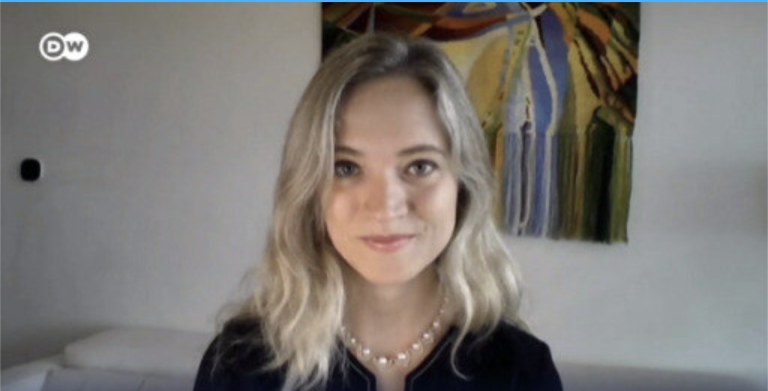
Professor Anastassia Fedyk of The Haas School of Business at UC Berkeley tells Brent Goff that the Russian economy is escaping deep damage because of half-hearted application of energy sanctions against it.

Professor Anastassia Fedyk of The Haas School of Business at UC Berkeley tells Brent Goff that the Russian economy is escaping deep damage because of half-hearted application of energy sanctions against it.
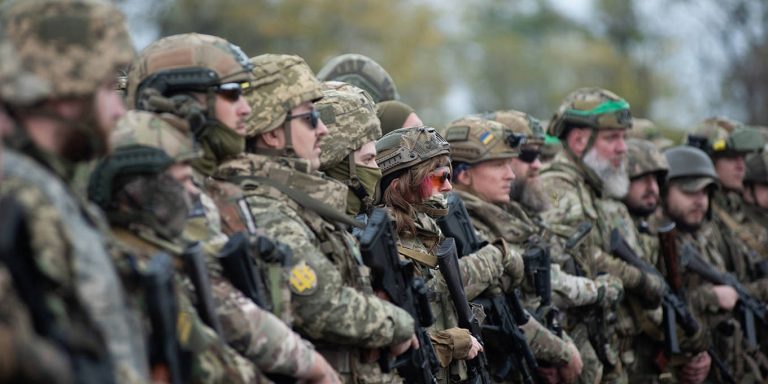
Given the growing doubts about American security guarantees, Ukraine is now the first and by far most effective line of defense for Europe. It should therefore be recognized as a key element of Europe’s defense perimeter, with access to European funding, technology, networks, and intelligence.

The post-war reconstruction of Ukraine has drawn immense attention and a number of proposals have been put forward to outline a way forward. Contributions from CEPR, German Marshall Fund (GMF), CASE, CASE Ukraine and Anders Aslund and Andrius Kubilius (A&K), a collection of essays by CESifo, and several others have been released over the past months, each with a specific view or recommendations.

The extensive corruption investigation at Energoatom underscores the importance of detecting and punishing corruption as early as possible. While corruption is costly everywhere, fighting it is literally a matter of life or death for Ukraine given the ongoing war. But how can one detect corruption quickly and at scale when by its very nature it is a concealed activity? Given that corruption continues to occur not just in budding democracies but in stable ones as well (e.g., Italy, France, Spain, and the UK), we obviously need more tools in our arsenal to prevent and flag it.
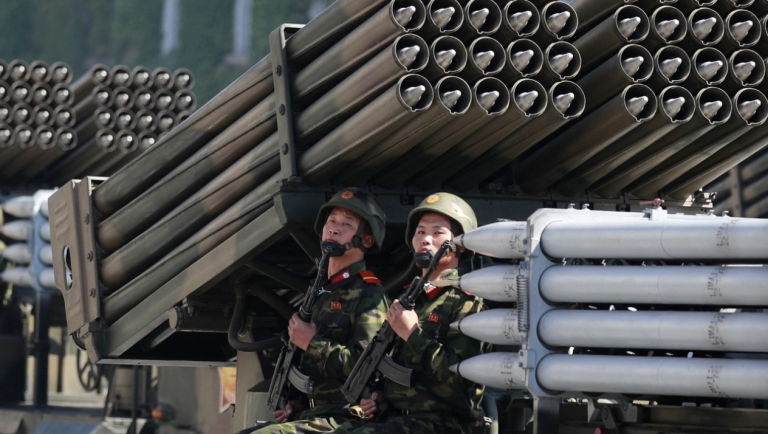
As Russia’s full-scale invasion concludes its third year, Ukraine is facing ever-greater threats. It was recently reported that North Korea is sending over 10,000 soldiers to train in Russia, with 3,000 deploying, marking the first time that any foreign country directly joins the war.
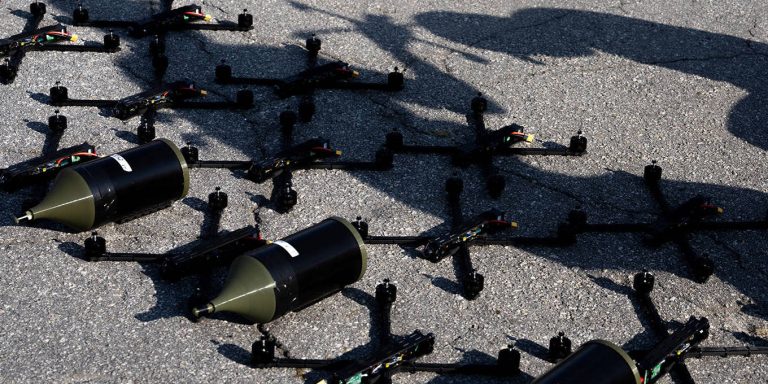
While Western countries have been generous in supporting Ukraine since Russia’s full-scale invasion in 2022, their financial assistance can be used only for non-military purposes. Instead of deploying aid this way, which creates distortions that undermine Ukraine’s war effort, foreign donors should directly fund defense spending.
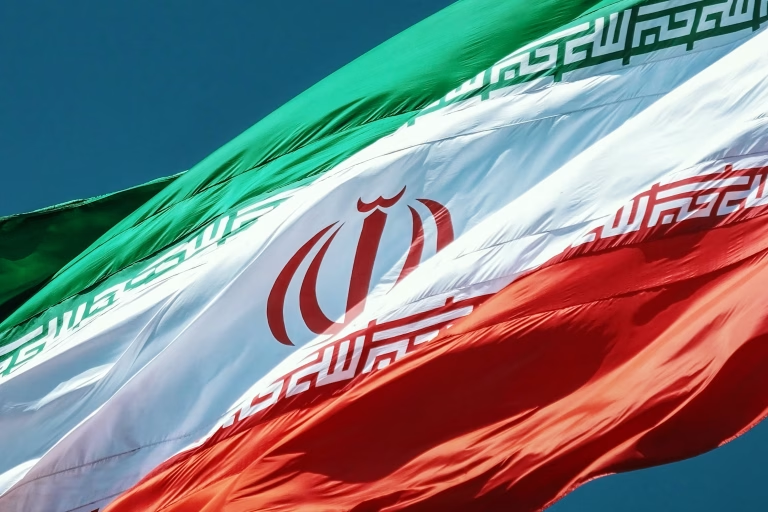
Mass protests have again shaken Iran, and the regime looks more vulnerable—economically, militarily, and politically—in 2026 than it has been in decades. A key but often overlooked reason for this vulnerability is that Russia no longer has the capacity to meaningfully support its most important Middle Eastern partner.
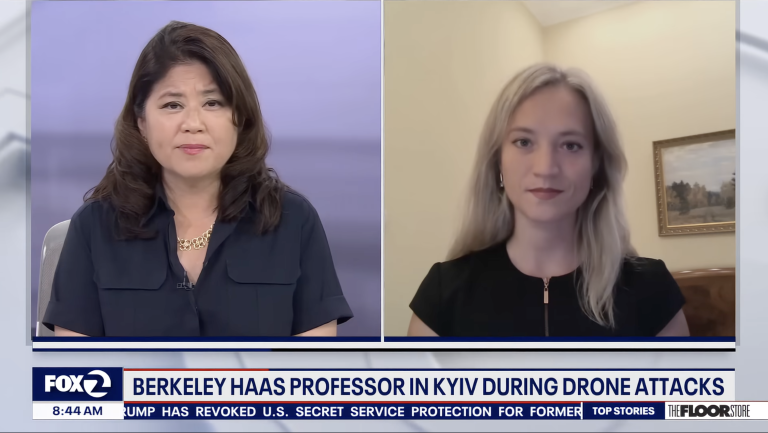
UC Berkeley Professor of Finance and Economists for Ukraine co-founder Anastassia Fedyk details personal experiences with Kyiv bombing and her contributions to direct humanitarian aid.